01 / REPORTED PERFORMANCE
What the numbers show
Returns, valuations, forecasts and risk indicators describe the investment's reported exposure.

Investment decisions are connected. We examine how underlying risks and the decisions shaping them can influence exposure, capital commitments and long-term portfolio value.
Investors decide where to allocate capital, how much to commit, when to invest and how to respond as circumstances change.
Historical performance, valuations and financial models are essential. Yet uncertainty in one investment can influence decisions elsewhere in the portfolio—even when the expected behaviour of other asset classes is comparatively well understood.
The opportunity is to improve the information informing those connected decisions.
Investors may have detailed reporting and risk measures, yet lack visibility of the operating conditions and organisational decisions behind an investment's performance.
Returns, valuations, forecasts and risk indicators describe the investment's reported exposure.
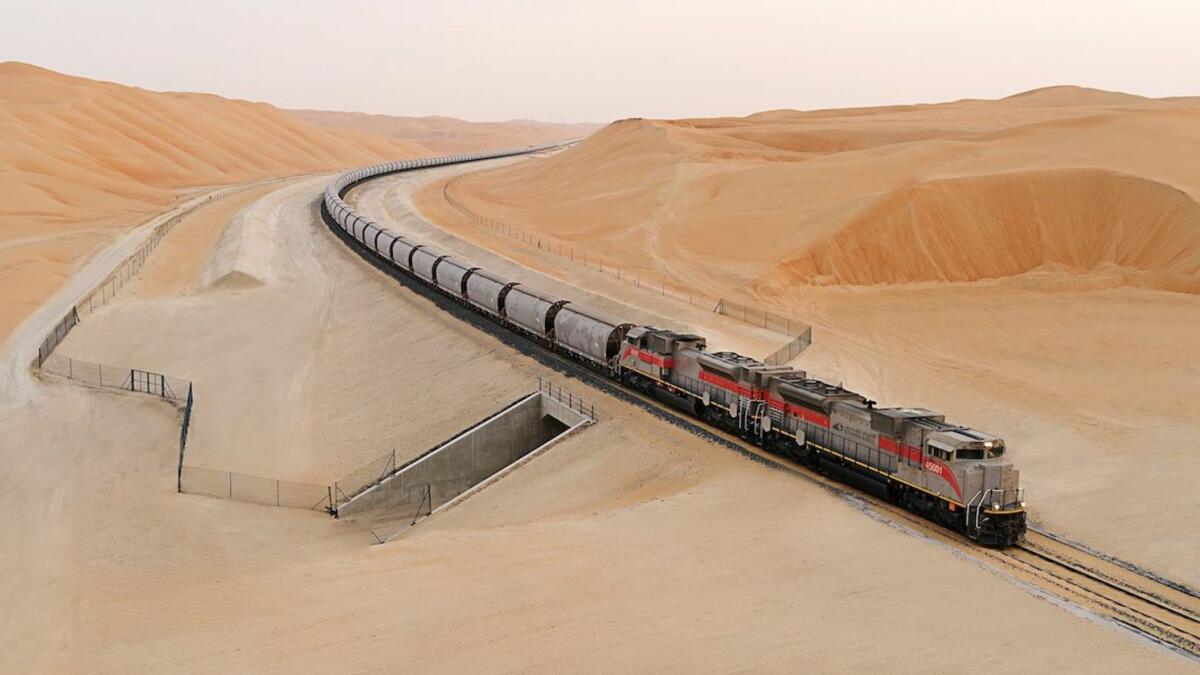
Asset reliability, deferred maintenance, operational dependencies and future capital needs.

Priorities, incentives, risk tolerance, skills and governance shape how risk is created or addressed.
Much of the world's existing physical infrastructure is inadequately maintained. Unpredictable failures, deferred renewal and uncertain capital requirements can affect operating continuity, cashflows and investment value.
Nowlan and Heap's foundational reliability-centred maintenance research established that many equipment failures do not follow simple age-related patterns. The issue for investors is the uncertainty that may remain hidden beneath financial forecasts—not the engineering assessment itself.
Physical asset risk is one important example of why reported performance may not fully explain future exposure.
Reliability reference: Nowlan & Heap, Reliability-Centered Maintenance (1978). Global undermaintenance reflects Concordia's practitioner assessment.
Historical, non-comparable figures cited in Concordia's Investor Foresight articles. They illustrate the scale of investment capital, not a current estimate of unreliable assets.
Investors may diversify, insure or hedge some consequences of infrastructure risk. That does not necessarily reveal whether the underlying exposure is accurately understood, valued or positioned.
Unanticipated failures and operating constraints
Cashflows, valuations and capital requirements
Liquidity, position sizing, timing and rebalancing
Better-informed exposure and capital commitments
Asset performance influences investment returns and capital decisions. Those decisions, in turn, affect reinvestment, renewal and the future reliability of productive systems. The relationship can extend across portfolios and interconnected economies.
Concordia begins with the investor's decisions—not with an asset inspection. We examine the uncertainty influencing those decisions and connect financial, physical and organisational evidence where it can improve understanding.
Clarify objectives, constraints, risk tolerance, exposure and the portfolio choices that matter.
Examine gaps between reported exposure, physical asset risk and the decisions that shape it—including Risk Condition and Risk Capability.
Translate the evidence into clearer choices about valuation, capital commitments, timing, oversight and coordination.
Explore how underlying risk and decision-making can inform investment and portfolio decisions.